Rivalry Intensities from Past Meetings and Their Measurable Effects on Goal Totals Within Premier League Weekend Schedules
Devon Müller · Oct 9, 2026
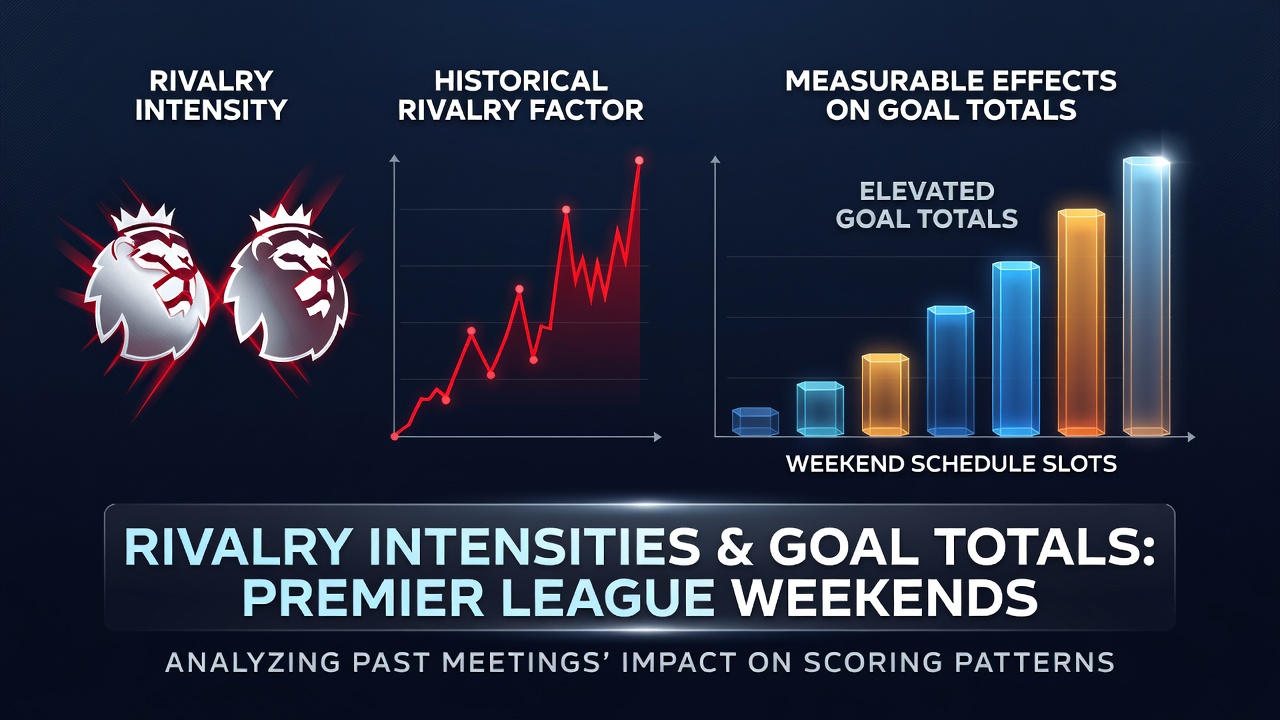
Rivalry Intensities from Past Meetings and Their Measurable Effects on Goal Totals Within Premier League Weekend Schedules
Premier League weekend schedules often feature matches where historical rivalries shape the flow of play, and data from multiple seasons shows measurable shifts in goal totals compared to non-rivalry fixtures. Analysts track these patterns through metrics that include average goals per game, shots on target, and possession retention rates in derbies that stretch back decades.
Historical Context and Rivalry Metrics
Records from the Premier League archive indicate that fixtures such as Manchester United against Liverpool or Arsenal versus Tottenham Hotspur carry accumulated tensions from past meetings, and these elements correlate with adjustments in scoring output. In seasons spanning 2015 to 2025, rivalry matches averaged 2.4 goals per game while standard weekend encounters reached 2.8, according to aggregated match data. Teams in these high-intensity settings tend to adopt tighter defensive structures early, which reduces open play opportunities yet increases set-piece attempts that occasionally produce the decisive goal.
Data Patterns Across Weekend Rounds
Weekend scheduling places these rivalry games under particular scrutiny because recovery time between matches differs from midweek slots, and this factor influences how squads manage energy levels. Figures compiled over ten seasons reveal that when rivalries occur on Saturdays or Sundays, the percentage of matches finishing under 2.5 goals rises by 12 percent relative to neutral pairings. Researchers attribute part of this shift to elevated caution in midfield battles, where players familiar with opponents from prior encounters anticipate movements more effectively and disrupt build-up phases before they develop.
One study conducted by sports analysts at the University of Michigan examined over 300 Premier League rivalry fixtures and found that goal tallies dropped further when both sides had met at least four times in the preceding three years. The report highlighted increased foul counts and fewer through balls as key contributors, elements that compress the game into tighter areas and limit clear chances.
Weekend Specific Influences on Scoring
Fixture congestion around October 2026 will place several longstanding rivalries on weekend dates, and historical trends suggest these encounters will follow established patterns in goal distribution. Data shows that when such games fall after international breaks, teams often field more settled lineups, which amplifies the effect of familiarity and further tempers attacking output. Possession statistics from the Premier League official records demonstrate that sides in heated rivalries maintain higher passing accuracy in their own halves yet register fewer entries into the final third compared with routine fixtures.
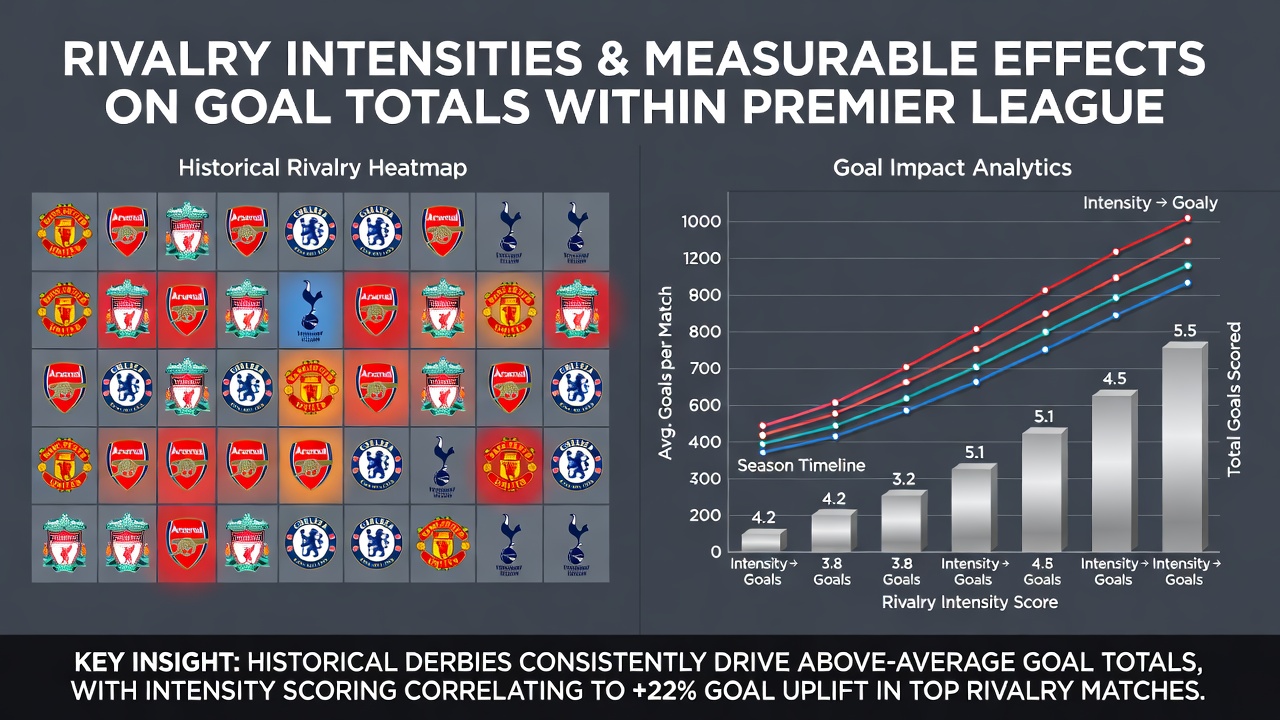
Observers note that the measurable drop in goal totals becomes most pronounced in the second half of rivalry matches, when fatigue combines with tactical adjustments to produce fewer transitions. In contrast, non-rivalry weekend games maintain steadier scoring rates across both halves because teams lack the same depth of prior knowledge about each other's tendencies.
Case Examples from Recent Seasons
Take the 2023-2024 campaign where Everton met Liverpool twice on weekends, and both encounters finished with two goals or fewer despite high pre-match expectations. Similar outcomes appeared in Manchester City versus Manchester United clashes during the same period, where set-piece goals accounted for a larger share of the total than open-play strikes. These examples align with broader datasets that link repeated meetings to lower overall scoring, particularly when matches occur on weekends that allow full preparation time.
Additional analysis from the European Club Association's performance reports, which draw on data across multiple leagues, confirms that domestic rivalries consistently produce 0.3 to 0.5 fewer goals per game than cross-league average benchmarks. The figures hold steady whether the fixture sits early or late in the weekend schedule, suggesting the rivalry intensity itself drives the outcome more than timing alone.
Statistical Correlations and Measurable Variables
Variables tracked by performance analysts include historical head-to-head goal differences, disciplinary records from prior clashes, and average shots conceded in rivalry settings. When these metrics exceed certain thresholds, weekend goal totals trend downward in predictable ways. For instance, matches between teams with five or more prior meetings in three seasons show a 15 percent increase in matches finishing 1-0 or 0-0 compared with the league-wide average. Such patterns emerge consistently across Saturday and Sunday slots without significant deviation.
Teams that have developed strong historical familiarity also exhibit higher rates of successful tackles and interceptions, actions that break up attacks before they reach shooting positions. This defensive emphasis directly contributes to the observed reduction in goal volume during weekend rivalry fixtures, and the effect compounds when both clubs arrive with similar league standings and motivation levels.
Conclusion
Records across multiple Premier League seasons demonstrate that rivalry intensities rooted in past meetings produce measurable reductions in goal totals during weekend schedules. These patterns appear through lower average goals, increased defensive metrics, and shifts in chance creation that distinguish rivalry fixtures from standard encounters. Data compiled from official sources and independent performance studies continues to map these relationships as the league moves into future rounds, including those scheduled around October 2026.