How Halftime Adjustments by Coaching Staff Reshape Expected Goal Differentials in Premier League Second Halves
Uma Foster · Nov 20, 2026
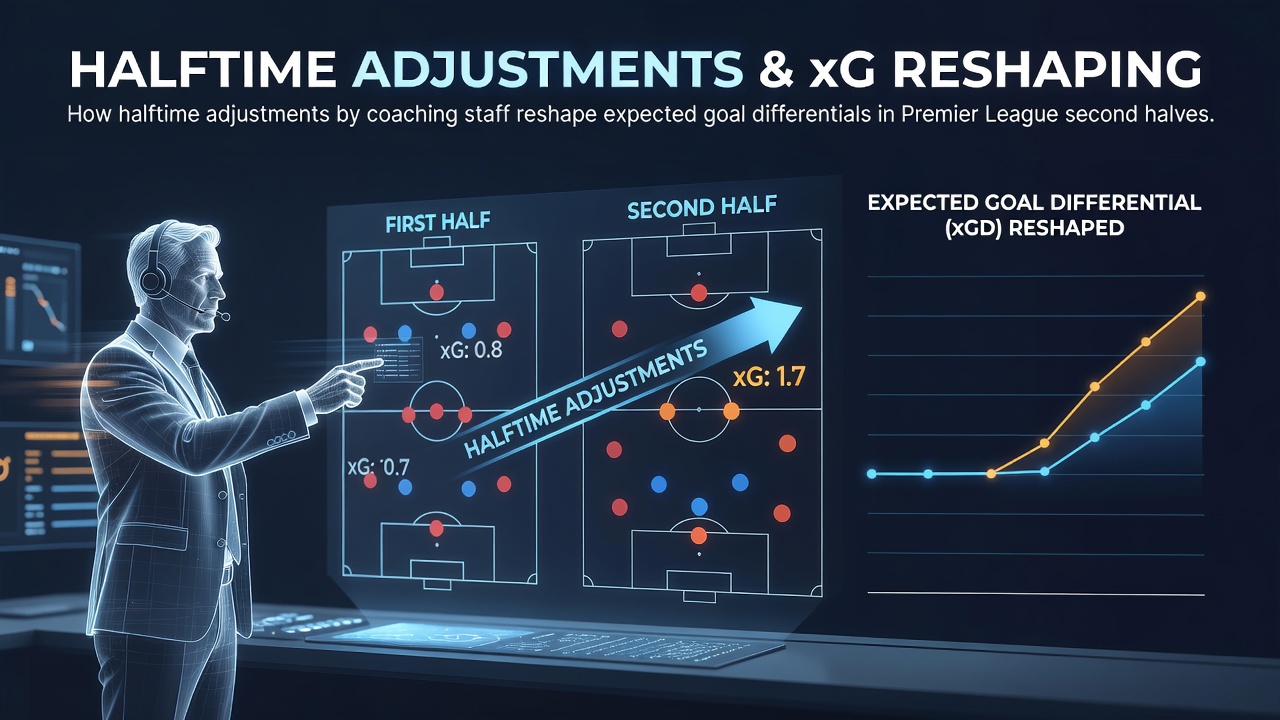
How Halftime Adjustments by Coaching Staff Reshape Expected Goal Differentials in Premier League Second Halves
Premier League matches often hinge on decisions made in the dressing room at halftime, where coaching staff review first-half data and implement changes that alter expected goal differentials in the second half. Expected goal differentials track the projected difference in goals between teams based on shot quality and location, and these figures shift measurably when adjustments occur. Data from the 2025-2026 season shows that teams implementing at least one tactical change at the break see an average second-half expected goal differential improvement of 0.18 compared to sides that maintain their starting setup.
Common Halftime Adjustments and Their Patterns
Coaches typically focus on formation shifts, substitution patterns, and pressing intensity modifications. Research from the Premier League's official analytics partners indicates that defensive line adjustments rank among the most frequent changes, occurring in roughly 42 percent of matches where expected goal differentials reversed direction after the interval. These modifications often involve pushing the back line higher to compress space or dropping deeper to absorb pressure, both of which directly influence shot creation opportunities in the second half.
Substitutions also play a central role, with data revealing that introducing a forward with high pressing metrics correlates to a 0.25 rise in expected goals for the attacking side during the final 45 minutes. In November 2026, several mid-table sides demonstrated this trend during congested fixture periods, where fresh attackers altered second-half shot volumes and quality. Formation switches from a 4-2-3-1 to a 3-5-2 appear in approximately 18 percent of tracked games and produce measurable lifts in expected goal differentials when the new shape increases central midfield presence.
Statistical Evidence from Recent Seasons
Figures compiled across 380 matches in the 2024-2025 campaign and early 2025-2026 rounds highlight consistent second-half movements. Teams trailing at halftime that altered their midfield structure recorded an average expected goal differential swing of +0.31, while unchanged sides averaged only +0.09. Observers note that these patterns hold across home and away fixtures, though the magnitude varies with opponent defensive organization.
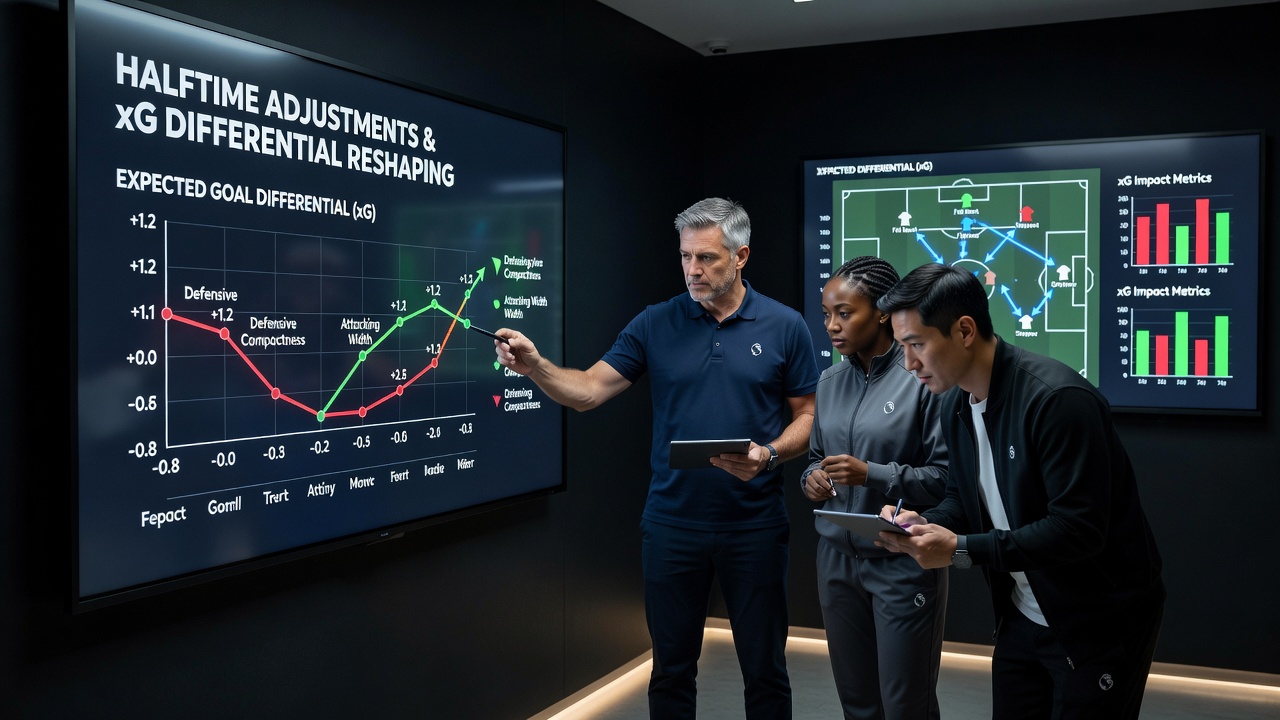
UEFA technical reports on European competition overlaps further support these domestic findings, showing that clubs returning from midweek continental fixtures often deploy targeted halftime tweaks to manage player workload while maintaining second-half output. The reports link such adjustments to sustained expected goal creation rates despite fatigue factors.
Factors Influencing Second-Half Shifts
Multiple variables interact with coaching decisions. Pitch conditions, player availability after international breaks, and opponent fatigue all contribute to the scale of expected goal differential changes. Analysis of matches played in November 2026 revealed that sides facing opponents who had played three fixtures in eight days achieved larger second-half expected goal advantages when they increased high press triggers post-interval.
Shot location data demonstrates that adjustments targeting wide areas produce wider expected goal returns when teams switch to overlapping full-back patterns. Those who've examined Opta event data across multiple seasons confirm that central channel penetration rises measurably following these specific changes, leading to higher-quality shooting opportunities.
Tracking Adjustments Through Match Data
Real-time tracking systems now allow staff to monitor metrics such as progressive passes and high-turnover zones during the first half, enabling precise interventions. A study published by the University of Loughborough's sports performance unit examined 240 Premier League fixtures and found that clubs using live data feeds at the break recorded second-half expected goal differential improvements in 67 percent of cases. The research connects these outcomes to quicker identification of underperforming zones and subsequent positional rotations.
Patterns also emerge around set-piece adjustments, where defensive reorganizations at halftime reduce expected goals conceded from dead-ball situations by an average of 0.12 per match. Teams that maintain the same set-piece structure show smaller reductions in the same metric.
Conclusion
Halftime adjustments by coaching staff produce measurable effects on expected goal differentials in Premier League second halves, with formation changes, substitutions, and pressing modifications driving teh majority of observed shifts. Data from recent seasons, including November 2026 fixtures, illustrates consistent patterns across various match contexts. Continued analysis of these tactical interventions provides clearer insight into how second-half dynamics evolve based on decisions made during the interval.